Writer
Resources
In order -
* General Writing Tips
* YouTube Channels Worth a Look
* Inspiration/Fun Memes
* Writing Craft Books
* Writers Digest
Articles
* Online Resources
* Writing Programs
* Thank You GAA
* Notable Author
* Writing
Organizations
* Promptville, USA
* Writer Lifelines
Scroll down for the good stuff ----V
General
Writing Tips
The tips I provided are writing
enhancement ideas that are
available to make your prose
stronger. Use as they work for
you. If any of these aren't your
cup of tea, that's cool too.
ENJOY and pass along!
***
GENERAL WRITING TERMS/CONCEPTS
(yes, it's about to get all technical up in here):
Prose - ordinary writing found in literature through the use of grammatical sentences and paragraphs
RUE (Resist Urge to Explain) - removing literary ideas that support something already explained
Sally raised her hand in the air.
Sally raised her hand.
Show, Don't Tell - demonstrating an idea versus telling the reader what happened
Ice covered the car windows. Nancy wrapped her scarf tighter against the whipping wind.
vs
It was cold outside.
> A newer version of this concept I fully endorse is called:
Show when possible, Tell when you must
Editor - person/tech that looks for errors or improvements
Francis used her online editor to search the story for grammatical and word repetition mistakes.
Agent - one who provides professional representation to another
Ellen decided her book was ready for publication. She searched online for an agent to represent her to a publication company.
Drabble - short story, typically micro-fiction consisting of 100 words
Novella - fiction between 15,000 and 40,000 words (some definitions use different word counts) - longer than short stories, shorter than a novel
Writing Sprint - a designated time devoted to writing (25 min writing/5 min break/25 min writing/5 min break), sometimes in a group setting
Greta got lost in her creative process as the group's writing sprint timer trickled close to zero.
Plotter - someone who forms an outline-type structure to create their story (plot points, story beats, etc)
Yvette builds her outline with specific story beats, then adds story between outline points.
Pantser - someone who allows the story to be created organically without structure (writing from the seat of their pants)
Helen hates outlining her work. She sits down and creates story as the story dictates.
Plantser - someone who uses a general outline/structure, but isn't held to it
Cheyenne sees herself as a plantser because she prefers to write out an overarching outline, filling in large gaps with on-the-fly story beats even if that means changing later outline structure.
WIP - Work In Progress, many writers have multiples
Tina set aside her WIP to focus on a work email.
Protagonist - [story's hero(es)], story revolves around them trying to achieve a goal
- Luke Skywalker -
Antagonist - [story's villain(s)], story revolves around them preventing the hero from reaching their goal
- Darth Vader -
A Plot - main story plot
B Plot - side plot happening parallel to the main plot, can occur with less importance
Rough Draft - unfinished creative project, usually needing edits and/or continued development
It took Marci six hours, but she was able to finish her book's first draft.
Beta Reader - non-professional test reader who looks for errors, confusing aspects, inconsistencies, etc
Darla asked her bestie to be her beta reader and make sure the story was tracking correctly.
Alpha Reader - first person to read (usually a rough draft)
Susan's cousin volunteered to be the novella's alpha reader, knowing that there would be imperfections.
***
Many publications are asking
that submissions be formatted
in standard manuscript/SHUNN
format.
This can be confusing for new
writers. It was for me at the
beginning.
Shunn is basically just your story
with contact information, title,
word count, and page numbers
listed in a specific format.
Here's a link that's been helpful
(make sure to use MODERN, not
classic):
https://www.shunn.net/format/story/
It gets easier with practice.
Pro-tip: save the SHUNN format
on a word document, then cut
and paste, fill in the details, and
bamajama, you're golden!
***
CONSIDER A STRONG VERB OVER AN ADVERB
She walked briskly.
vs
She strode.
***
MINIMIZE READER FATIGUE
How to prolong reader interest:
Use strong/ interesting characters
Avoid purple/flowery prose
Minimize daily routine events
Interesting plot development/tension
Efficient use of words/avoid wordiness
End of sentence prepositions (to, in, on, through, from, across) are usually a good way to trim word count (see RUE /\)
"She wore a smile on her face."(where else does one smile?) Those three words gone can compound over a story.
***
SENTENCES should do one of two things:
Drive plot forward
or
Encourage character development
***
Mix up character names to avoid
confusing readers about who's
who:
Chrissy, Carrie, Chris, and Connie
vs
Chrissy, Joanne, Tom, and Sarah
***
Characters experience the world
through senses - incorporate all
senses when appropriate:
Justine sat down to eat pasta as a guest in Mary's home.
vs
A soft marinara aroma (scent) floated through the room as Justine sat down at the table. The linen napkin weighed (feel) her fingers down more than the usual paper versions from home. Soft candlelight (sight) created moving shadows along the wall. Her friend's grandfather clock ticked (hearing) long seconds away in the background. Justine brought the fork to her mouth. The warm pasta wrapped in sauce melted across her tongue (taste).
The second scene is deliberate
in creating a more engaging
scene through senses.
***
Stories should confirm some
truth about us as human beings.
***
Your stories are meant to be an
escape for your readers. Give
them every reason to read onto
the next sentence, paragraph,
scene, chapter, book, etc.
***
Characters need a goal to aspire
towards. Readers don't care
about their daily routine and
won't read about personal
hygiene, etc for long. (Extra
sauce - don't tell your readers
that you character woke up,
unless there's a specific reveal).
We all wake up. It's not
necessary to state the obvious.
***
It's always better writing to offer
your readers experiences over
exposition
***
YouTube Channels Worth a Look
Abbie Ammons is one of my
favorite content creators. She's
funny, smart, and knows a
thing or two about writing craft
https://www.youtube.com/@AbbieEmmons
***
Jenna Moreci is a down to Earth
"writer's writer." She'll tell you
like it is, not how you'd want the
craft to be. Funny, witty, and
sharp as a freshly-made razor.
https://www.youtube.com/@JennaMoreci
***
Jerry Jenkins offers a
treasure-trove of knowledge. If
you don't pick up something
useful through his videos,
consider taking up underwater
basketweaving.
https://www.youtube.com/@NovelistJerryJenkins
***
Brandon Sanderson offers a
wide range of free content,
including a lecture series that's
made my writing so much better.
Credit where it's due.
https://www.youtube.com/@BrandSanderson
***
The channel Plot Luck is a
passion project by Brian who
cares about the writing craft.
A new creator to me, but one
that's been helpful.
https://www.youtube.com/@PlotLuck
***
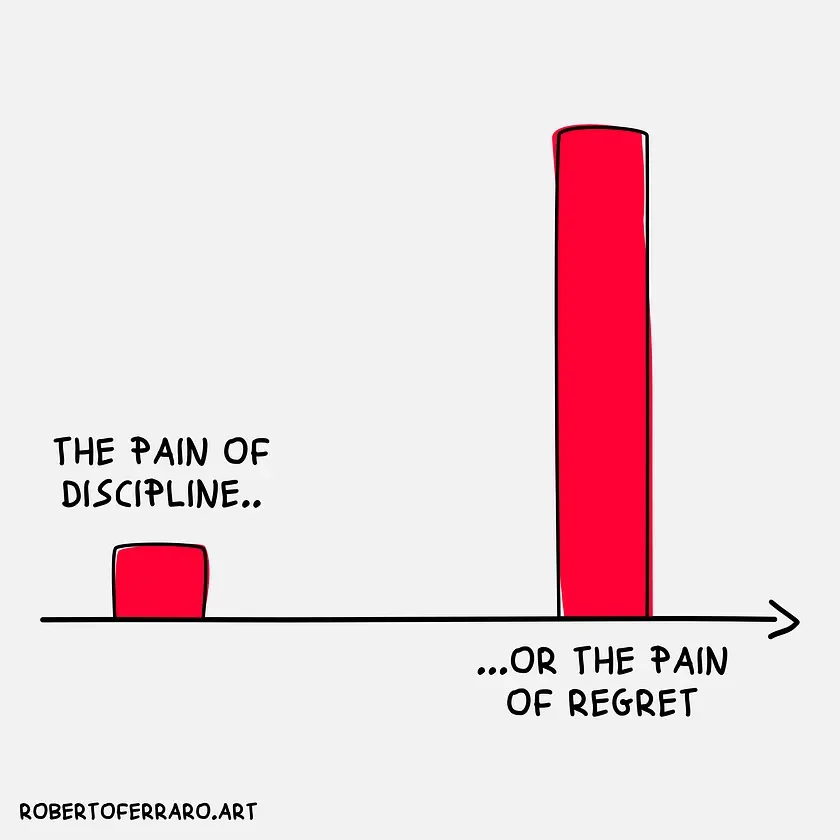
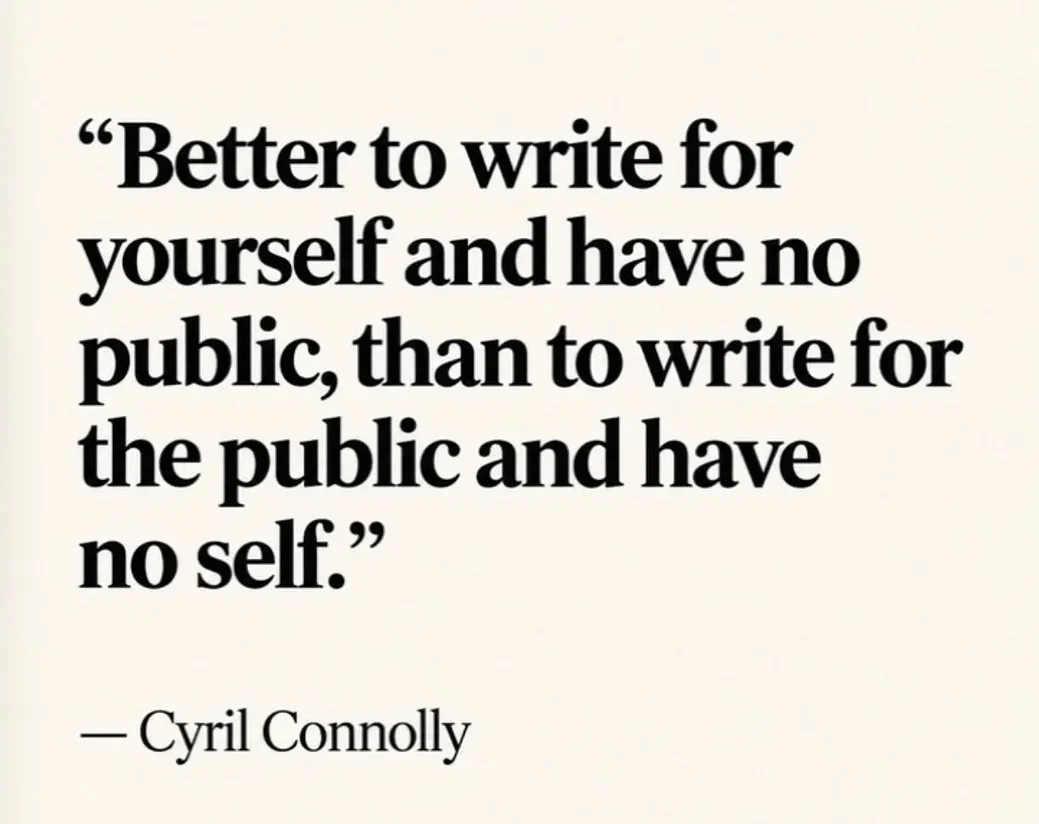
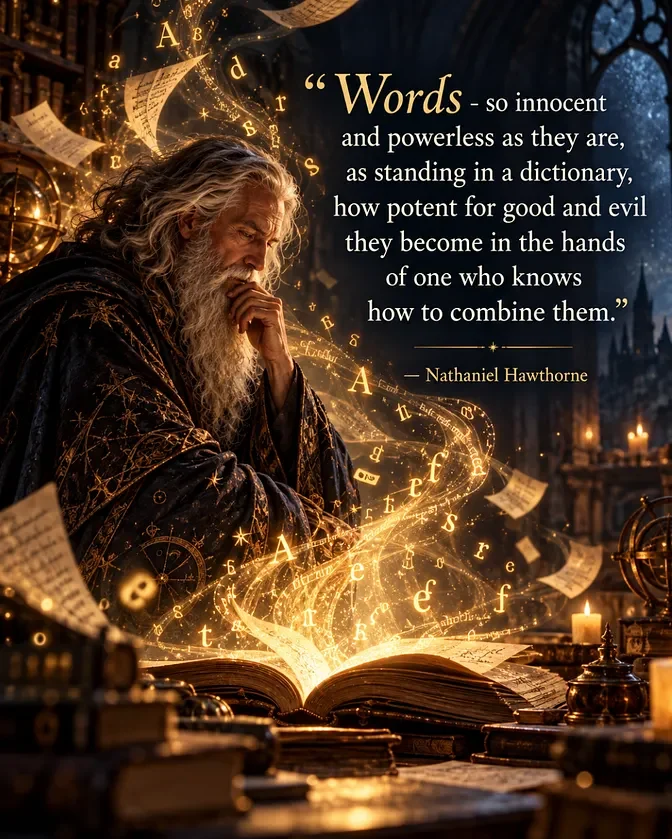
Fun and Motivation Because We All Need It Sometimes
Writing Craft
Book Resources
Discover recommended books. I only post writing craft books that've given my writing skills value.
SUGGESTION: most of the titles I've found at my local used book store, also consider your local library
On Writing - Stephen King - an honest self-exploration into his writing process (personal note, I've used several of his writing tactics to my personal success). This is his journey explained and useful for writers in any genre.
***
Self-Editing for Fiction Writers - Renni Browne & Dave King - a great read for enhancing or learning how to edit stories.
***
Creating Short Fiction - Damon Knight - a comprehensive how to for creating short stories.
***
The Science of Storytelling - Will Storr - one of the BEST writing books most writers have never encountered. I have two copies, one to take notes on the anthropological information (social purpose of gossip) and one to learn more about the writing craft. This is an ADVANCED book. Novices should consider waiting until they've gained some deeper writing skills before reading.
***
The Practice of Creative Writing - Heather Sellers - a student-based book on the art of writing.
***
Write Pacing - Stant Litore - a good read for anyone wanting to improve their story/scene pacing skills.
***
Conflict, Action, & Suspense - William Noble - these three topics are imperative to learn how to do well to create entertaining prose.
***
Characters & Viewpoints (Elements of Fiction Collection) - Orson Scott Card - interesting characters drive good plots and make for engaging content.
***
The James Scott Bell Collection - his books are for anyone truly interested in becoming stronger authors covering most major areas of improving your prose
Conflict & Suspense (Elements of Fiction Writing Collection)
How to Write Dazzling Dialogue
Plot & Structure (Write Great Fiction Collection)
Writers Digest Links
Writers Digest is a treasure trove
of information, much of its
content is free.
I highly recommend their
classes for new and novice
authors.
(personal recommendation,
not a sponsor):
How to Use Journaling to Develop Your Book Idea & Content Sections for Your Book Proposal
The Power of Premise in Storytelling
Be Authentic They Said, Sell More Books
5 Tips for Writing with Limited Time
Writing Emotions that Feel Real
Importance of Writing Weird Stories
Revising with an Attuned Editor
Advice from a Librarian on Book Comps
NEW:
5 No-Fail Ways to Make Anything Funnier
20 Elevator Pitches for Recently Published Books
Online Resources
Discover helpful links to your writing needs:
Deadlinesforwriters.com offers deadlines for the initiative-impaired
Languageisavirus.com offers prompts for when your brain needs a kick in its pants
Wordhippo.com is an online thesaurus. I personally have this site available for most of my writing projects
Substack.com is an online community of creative-minds, many of them writers. While not perfect, its content can be such that your feed is mostly writing and art oriented
Duotrope.com is a site for writers who are looking to get published. This is a great site for short-story writers. I've personally found this site to be an amazing site to get published with. (Full disclosure - there is a $60 yearly fee that's well worth the money.)
Writinginthedark.substack.com is full of writing resources
Writing
Programs/Apps
Here are some writing programs
for new writers or those who
want to try something different:
(full disclosure - my preferences
are WPS, Apple Pages,
ProWritingAid, and Scrivener)
Living Writer
"Your writing. Beautifully
organized. The best writing app
for authors, screenwriters,
novelists, and more."
***
Scrivener
https://www.literatureandlatte.com/scrivener/overview
"Grow your manuscript your way.
Tailor-made for long writing
projects. Write when inspiration
strikes and find its place later.
Grow your manuscript
organically, idea by idea."
***
WPS Office
"Create, Edit, Convert,
Collaborate - Anywhere. Meet
WPS Office, the free Office suite
built for everyday work."
***
ProWritingAid.com
"Draft Freely, Edit Wisely.
Have a story to tell? ProWriting
Aid helps you plan it, shape it,
strengthen it, and keep going—
with professional-level
feedback and a community of
writers by your side."
***
Thank You Grayslake Arts
Alliance
Thank you to the Grayslake Arts
Alliance for having a writing
group, for their supporting
writers/writing community, and
for making sure that writing is
considered an "art" just as
important as the visual ones.
Notable Author
Zee Lacson - proud recipient of
the 2024 BIBA Young Adult
Award, author of the
Woolgathering Trilogy and
Twice Removed.
***
Professional
Writing
Organizations
These are organizations to
foster better authorship,
increase networking, and
connect with writing resources.
Chicago Writers Association CWA
https://members.chicagowrites.org
***
Professional Writers Alliance PWA
https://www.professionalwritersalliance.com
***
WARNING:
There have been some online posted experience about the
International Association of
Professional Writers and Editors
IAPWE has some alleged
"predatory" history - proceed
with caution.
https://www.trustpilot.com/review/iapwe.org
(I've had no interactions with this group and am only relating what's publicly available)
***
The Authors Guild
***
Promptville, USA
Writing Prompts, because our
brains can all use a little help
sometimes:
A woman takes her prized pig for a walk, she finds a silk bag partially hidden under a bush...
A man arrives at his plane's departure gate. The ticket agent insists that the plane left six hours ago for a location he's never heard of...
A child finds a glass box in her attic. She can see it's empty. Something rattles inside when shaken....
A woman hears a dog barking while riding her bike. She looks around seeing no dog. Its barking grows louder as if directly behind her...
Three men arrive at a coffee shop at five minute intervals. Each wears a clover on their lapel...
Two older women stare at a man tied up in an unfamiliar kitchen. Neither remember tying him. Both know him to be their husband...
***
Writer Lifelines
Writer's Block
Best to inoculate against:
establish a consistent writing system/routine (place, time, drink, snack)
begin each writing session with a "warm up" project and shift to the WIP when creative ideas become more fluid
develop a playlist that you only listen to when writing - playing these during a block can open creativity through mental muscle memory
but, if it's an immediate block:
consider your story beats from a different perspective (even an object)
work on a project that fits your current mood easier
step away and engage in a non-mental task (putting away dishes, sweeping, picking lint from the carpet) for a few minutes, let your brain open up some doors
Consider asking a question:
"What if..."
or
"How would..."
***